
Key Takeaways
Businesses across the Bay of Plenty are increasingly turning to intelligent agents to handle complex operational decisions. These systems offer distinct advantages over manual workflows and generic software options.
- Bespoke solutions align precisely with unique local business data and specific internal processes.
- Automating operational judgment calls reduces the burden of repetitive, manual decision-making.
- Staged deployment and staff training ensure seamless integration with existing software ecosystems.
- Ongoing performance monitoring and iterative adjustments are essential for long-term operational success.
- Selecting a partner with deep local operational insight guarantees better alignment with business goals.
Understanding the landscape of AI in Tauranga
The growth of digital innovation in the Bay of Plenty
The technological environment in Tauranga is shifting rapidly as local firms look for ways to scale without simply adding headcount. Rather than relying on generic software, forward-thinking owners are seeking ways to integrate custom AI agents that understand the nuances of their specific workflows.
Addressing unique challenges for Tauranga-based businesses
Local companies often face constraints such as limited staffing or seasonal spikes in demand that call for smart, adaptable solutions. Many businesses find that off-the-shelf tools fail to grasp the context of their daily operations, which is why NuggetAgent focuses on building agents capable of making real-time, context-aware decisions rather than just executing rigid scripts.
Comparison between off-the-shelf software and custom AI
Choosing the right tools requires an audit of your current processes to see what truly adds value to your business. While standardized software serves general purposes, it frequently lacks the agility needed for complex, edge-case decision-making that occurs in daily operations.
| Feature | Off-the-shelf Software | Bespoke AI Agents |
|---|---|---|
| Scope | Fixed, general workflows | Tailored to your specific data |
| Integration | Limited API connectivity | Fully integrated, native setup |
| Adaptability | Minimal / No updates | Continuously tuned via managed services |
By comparing these factors, you can determine whether a general tool or a specialized system will solve your current operational bottlenecks.
Benefits of bespoke AI solutions for local industries
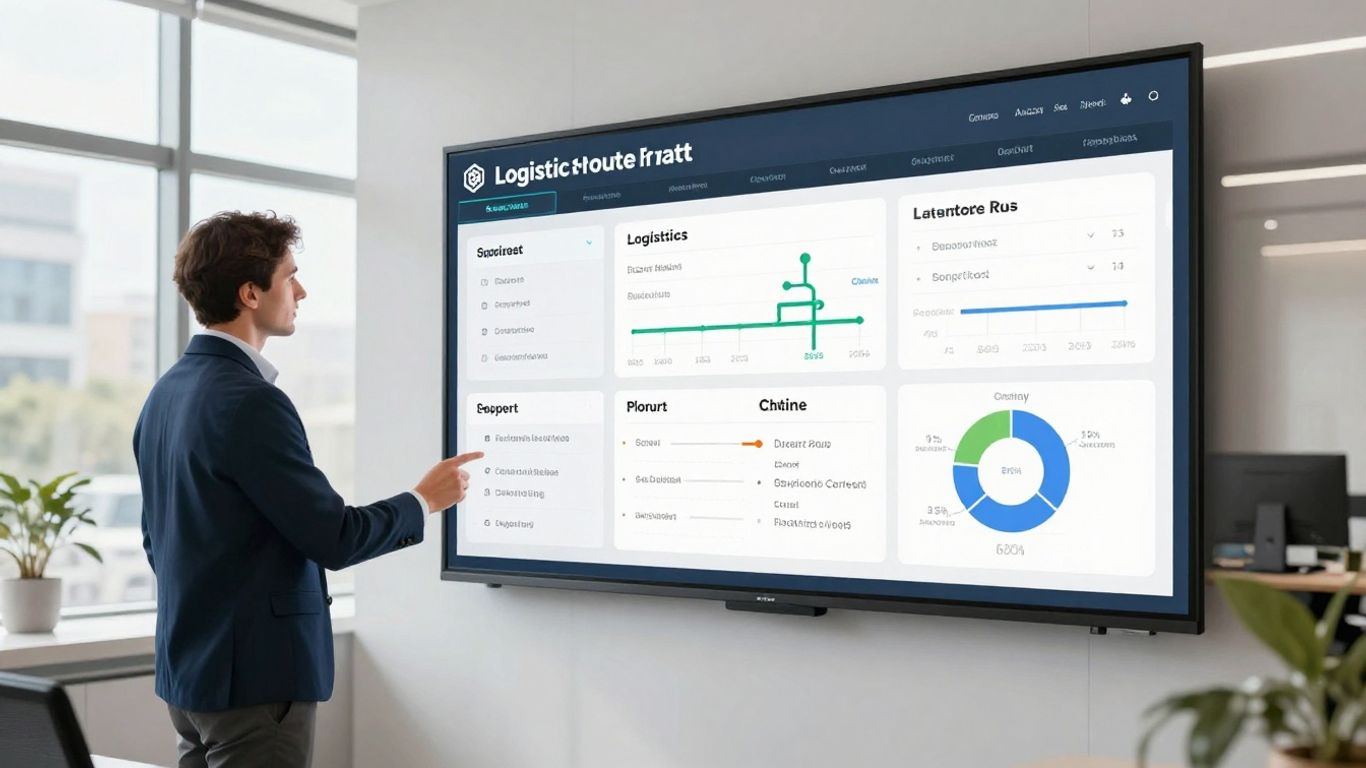
Enhancing efficiency in supply chain and logistics
Supply chains are inherently unpredictable, requiring quick judgment when deliveries are delayed or stock levels shift unexpectedly. Deploying agents to manage these logistics allows you to handle disruptions without constant manual intervention.
Improving customer engagement through personalized service
Customers expect immediate, accurate responses, yet scaling your communication often leads to generic, robotic interactions. NuggetAgent offers solutions that learn from past interactions to craft responses in your natural brand voice.
Automating routine administrative tasks for productivity
When your team is weighed down by low-level administrative duties, they lose time for high-value strategic work. We see many firms successfully reclaim hundreds of hours per month by shifting these burdens to automated systems that handle everything from scheduling to data entry.
Identifying your business automation needs
Auditing existing legacy workflows
Before you invest in any system, you must understand where your current bottlenecks lie by conducting a thorough audit of your internal legacy processes. This initial assessment prevents the common mistake of automating broken tasks, which only serves to accelerate inefficiency rather than solving the actual problem.
Prioritizing high-impact areas for machine learning integration
Not every task is suitable for automation; some require a human touch, while others are perfect candidates for machine learning. Focusing your agent audits on high-volume, repeatable processes ensures that your capital and time yield the highest possible return on investment.
Defining realistic KPIs for your automation goals
Setting clear metrics from the start is the only way to track whether your new systems are truly delivering value. If you cannot measure the reduction in manual labor or the improvement in speed, it is difficult to determine if your investment has been effective.
Choosing the right partner for bespoke AI development

Evaluating technical expertise and past case studies
Selecting a development partner requires a look at their track record to see how they handle complex integration requirements. A provider should be able to demonstrate previous work where their systems were tested in real-world environments to manage actual business outcomes.
Importance of local context in AI application
Working with a developer that understands the specific challenges of your region is invaluable. The NuggetAgent team brings a unique blend of operational experience that goes beyond simple coding, ensuring they understand the reality of your day-to-day business struggles.
Ensuring data security and privacy compliance
Protecting your company data, customer details, and proprietary processes is the baseline responsibility of any professional development firm. You should never feel like an afterthought in security; your provider must maintain rigorous protocols that mirror your own confidentiality requirements.
Implementing and scaling AI within your workflows
Staged deployment strategies to minimize disruption
Implementing new technology is a significant change, so we recommend a staged approach where systems are introduced to minor tasks before scaling to more critical operations. This reduces the risk of disruption to your current output while allowing your team to adjust to the new way of working.
- Identify pilot processes for initial deployment
- Monitor agent performance and capture feedback
- Gradually expand to more complex workflows
- Perform final reviews before full scaling
This methodical approach ensures that your operations remain stable even as you transition to more advanced technical capabilities.
Training teams to interact with new AI systems
Your staff must understand how their work relates to the technologies being introduced, rather than feeling threatened by them. By involving them in the transition process, you ensure they can leverage the new tools to improve their own performance rather than simply being replaced by them.
Integrating AI tools with current business software
Fragmented systems prevent growth, which is why a seamless integration between your new tools and your current software stack is paramount. A successful deployment results in a unified infrastructure where your AI agents communicate directly with your existing CRM and communication platforms.
Measuring the impact and ROI of AI investments
Analyzing long-term operational cost savings
Every business investment needs to prove its long-term financial viability beyond the initial setup costs. Consider the total cost of labor reduction over several years to understand the actual savings provided by automated decision-making.
Tracking customer satisfaction and revenue growth
Improvement in customer satisfaction is often a leading indicator of revenue growth. When your communication is handled quickly and personally, you naturally foster better retention, which is often far more cost-effective than constant customer acquisition.
Iterative improvements based on performance data
Systems should be dynamic, meaning they must be updated and tuned based on the feedback loop of performance data. Regular managed services allow you to refine workflows, optimize responses, and ensure that your agents remain as sharp as they were on the day you launched them.
Conclusion
Leveraging intelligent agents allows Tauranga businesses to move beyond simple automation and into a new phase of high-performance operational decision-making. By focusing on your specific data, processes, and business intent, you can build systems that work for you 24/7, enabling you to scale your impact while maintaining control over the quality and consistency of your outputs.
Frequently Asked Questions
What is the difference between an AI agent and a chatbot?
An AI agent is designed to take actions and make judgment calls based on data, whereas a traditional chatbot typically relies on scripted responses to answer basic questions.
How long does it typically take to deploy an AI solution?
Most businesses can expect to see their first working system deployed within a few weeks, depending on the complexity of your current data and specific integration needs.
Do I need a technical background to manage these systems?
Not at all; a reliable development partner will provide you with a system that is designed for ease of use, with ongoing support to handle the technical heavy lifting.
Can AI handle complex decision-making tasks?
Yes, modern agents can be trained to evaluate your unique business logic and make decisions on tasks such as lead qualification or booking appointments, provided the logic is properly documented.
How is my company data kept secure?
Security should be built into every stage, from the initial architecture to ongoing maintenance, ensuring that all data remains siloed correctly and adheres to your privacy standards.
What if my business processes change?
An effective AI setup should be flexible; your partner should provide ongoing maintenance and, if necessary, system retraining to keep up with your evolving operational requirements.
How should I calculate the return on investment?
Measuring ROI involves looking at both quantitative factors like saved hours and revenue per client, and qualitative factors like improved staff capacity and better consistency in your customer interactions.